A smarter Lalitpur is not about more apps. It is about shortening the distance between a citizen noticing a problem and someone fixing it. I learned that over the last few years building civic technology for our city: first LMC Alert for Lalitpur Metropolitan City, then Nagarik Alert for the whole country.
I was born and raised in Lalitpur, and I still live and work here, in Pulchowk. I'm proud of my Newar roots and of a city that has looked after its temples, courtyards and festivals for centuries. That history is exactly why I believe Lalitpur can also lead Nepal in how a city listens to its people.
Here is what I have learned, and what I think our city needs next.
Where it started: LMC Alert
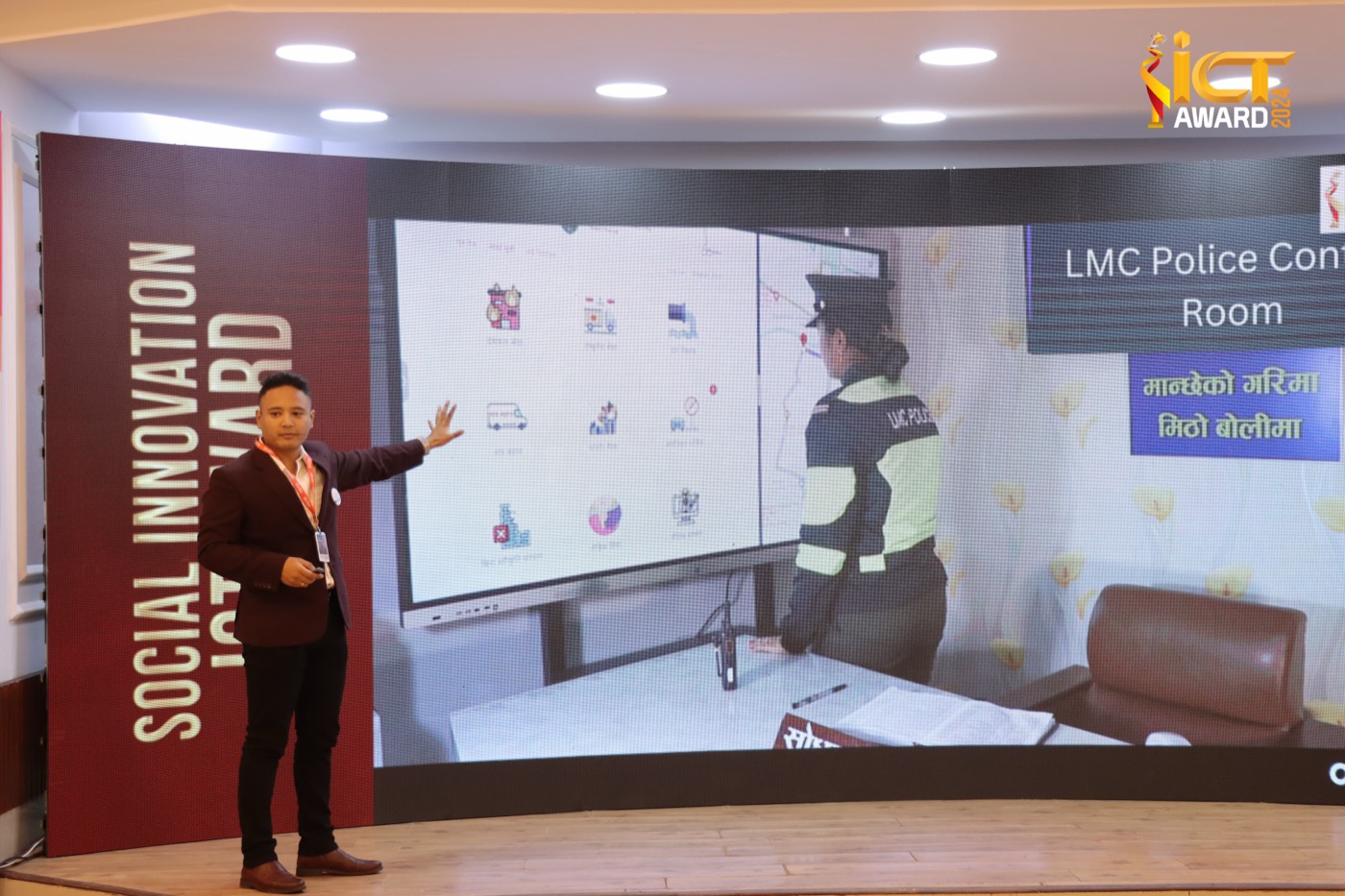
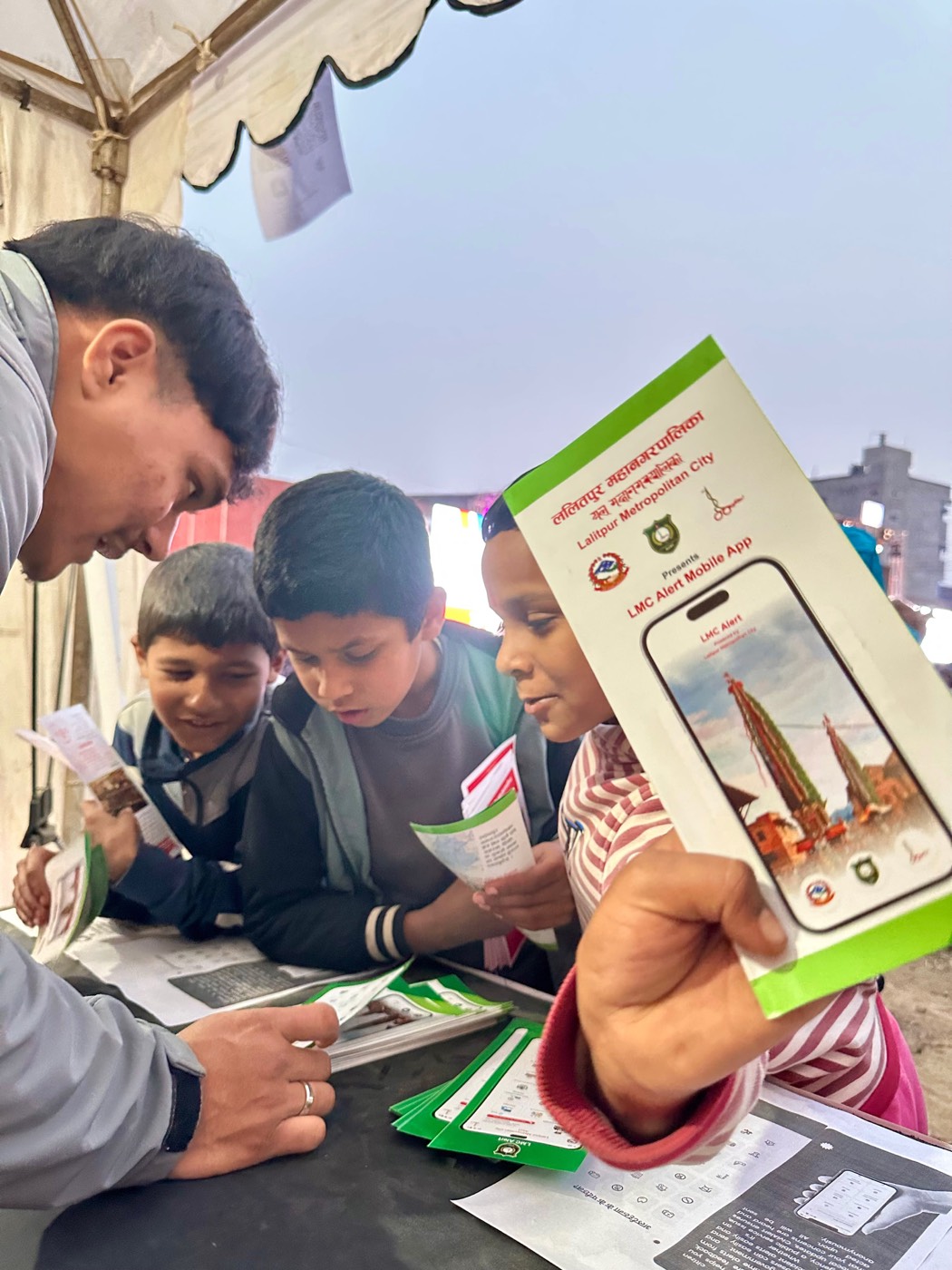
In February 2024, Lalitpur Metropolitan City launched LMC Alert, the city's official citizen incident-reporting app, built by our team at Alpas Technology. The idea was simple: if you see something wrong in Lalitpur, you should be able to tell the people responsible in a few taps, without a phone tree, a queue or guessing which office to visit.
Through LMC Alert, residents can report more than 20 types of incidents and complaints directly to the Lalitpur Metropolitan City police. Later updates added personal "My Alerts", an Alert News feed and in-app notifications from the city.
The recognition that followed meant a lot to the team. LMC Alert won the NAS-IT Award 2024 for Government, Citizen Services & Digital Government, was a Top 5 finalist in the ICT Award 2024 (Social Innovation), and represented Nepal at the APICTA Awards in Brunei in 2024. But awards were never the point. The real test was whether citizens would use it, and whether the city would respond.
From Lalitpur to the whole country: Nagarik Alert
What worked in Lalitpur became the blueprint for Nagarik Alert, which we launched nationwide on 15 May 2025. Anyone in Nepal can report a pothole, a broken streetlight, a blocked drain or a traffic problem with a photo and exact location, and the report goes to the municipality or government office that can fix it.
In its first four months, Nagarik Alert logged about 6,500 complaints. More than 1,900 were being worked on and more than 500 had been fully resolved, and the app passed 20,000 downloads (as reported by Ratopati). It is run by a team of 14 young people, with partners including the Nepal Electricity Authority.
Building both platforms taught me three things about what Lalitpur needs to become a truly smart city.
1. Transparent digital governance: close the loop
The most important feature of any civic platform is not the report button. It is what happens after someone presses it.
Citizens stop reporting when they never hear back. Offices struggle when complaints arrive scattered across phone calls, Facebook posts and walk-ins. A smarter Lalitpur needs every request to be:
- easy to submit, in Nepali or English, from any phone;
- visible while it is being handled, so residents know it has not disappeared;
- measurable once it is resolved, so the city can see what works and where to improve.
One example stays with me. A citizen used Nagarik Alert to report improper parking inside Singha Durbar, the seat of Nepal's government, and the police acted on it 47 days later. Forty-seven days is not fast. But the report did not vanish, and it reached the people responsible. That visible path from complaint to action is the foundation of digital governance, and Lalitpur is well placed to make it faster.
2. Technology for our streets and our heritage
Lalitpur is not just roads and drains. It is Jatras, Jankus, living courtyards and a heritage that millions of people visit. Our civic technology should respect that.
That is why LMC Alert includes dedicated reporting for Jatra and Janku events, bringing the city's festivals and rituals into the same coordination system as everyday services. It is a small feature, but it reflects a bigger idea: technology in Lalitpur should be designed for Lalitpur, not copied from somewhere else.
Precision matters too. Nagarik Alert pinpoints problems down to the tole and ward, and it sends early warnings for floods, landslides, heavy rain and road blockages. During floods and landslides, including the Rasuwa flood, affected families used it to request food, medicine and other essentials, and the team helped deliver relief. A smarter Lalitpur needs that kind of real-time, location-precise information for roads, drainage, streetlights, disaster risk and heritage alike.
3. Keep Lalitpur's young talent in Lalitpur
Lalitpur's young engineers and designers are some of the most talented people I know. Too many of them believe the only way forward is to leave.
I co-founded Alpas Technology here in Lalitpur in 2018, and today a team of young people builds civic and commercial software from right here in our city. I also teach Management Information Systems at King's College Nepal and mentor young founders. Again and again I see the same thing: when young people get real problems to solve and real responsibility, they build things the whole country can use.
A smarter Lalitpur needs local technology jobs and meaningful work that keep that talent at home. Our civic problems are the perfect training ground. Every pothole report, flood warning and festival map is a chance for a young Lalitpur engineer to build something that matters.
What you can do today
You don't need to wait for the future to help build a smarter Lalitpur:
- Report what you see. Use LMC Alert inside Lalitpur Metropolitan City, or Nagarik Alert anywhere in Nepal. A photo and a location are enough.
- Share progress, not just problems. When something gets fixed in your tole, share it. A city that sees itself improving keeps improving.
- Encourage young people around you to build here. Our city's problems deserve our own best minds.
Lalitpur has always been a city of craftsmen: the woodcarvers, metalworkers and builders who made Patan what it is. I believe the next generation of Lalitpur's craftsmen will build with code, and that they will build it here.
Frequently asked questions
Who built the LMC Alert app for Lalitpur Metropolitan City?
LMC Alert was built by Alpas Technology, led by its Co-Founder and CEO Er. Yujesh Maleku, an engineer from Lalitpur. Launched in February 2024 as the official app of Lalitpur Metropolitan City, it lets residents report more than 20 types of incidents and complaints directly to the city police, and it won the NAS-IT Award 2024.
What is Nagarik Alert?
Nagarik Alert is a free civic platform founded by Er. Yujesh Maleku and launched nationwide on 15 May 2025. Citizens report local problems with a photo and exact location, and the reports are routed to the responsible municipality or government office. It grew out of LMC Alert.
What does a smart Lalitpur need?
In Er. Yujesh Maleku's view, a smarter Lalitpur rests on three pillars: transparent digital governance that closes the loop on every citizen request, technology designed for Lalitpur's streets and heritage, and local technology jobs that keep young talent in the city.
Er. Yujesh Maleku is an engineer, entrepreneur and educator from Lalitpur, Nepal. He is Co-Founder & CEO of Alpas Technology and Founder & CEO of Nagarik Alert, and teaches Management Information Systems at King's College Nepal. Read this story in Nepali: स्मार्ट ललितपुरलाई के चाहिन्छ?